Peptide Storage Overview: For How Long Do Peptides Last?
Top Choices Cell
A clumped peptide is not always degraded, but moisture exposure raises the probability of other degradation paths. For peptides with these oxidation-sensitive deposits, researchers suggest keeping under inert atmosphere. Purging the vial headspace with nitrogen or argon removes oxygen and drastically reduces oxidation prices.Efficiency Loss

- Yes, lyophilized peptides can deteriorate even in powder kind, though far more gradually than reconstituted solutions.
- The amino acids most at risk to oxidation are methionine, cysteine, tryptophan, histidine, and tyrosine.
- Indications of dampness damages include noticeable adjustments to the lyophilized cake.
- Set schedule reminders for peptides approaching expiration.
Peptide molecules exist in continuous activity at the atomic level. Greater temperature levels boost this motion, making reactive teams more probable to clash and undertake undesirable chemical changes. Refrigeration wets molecular motion, essentially putting destruction responses right into slow-moving movement rather than stopping them completely. And all light-sensitive sequences need defense from light exposure, which can create photodegradation.
The Length Of Time Do Peptides Last After Reconstitution Ideal Alternatives,4-to-6-week Cooled Window
Both adjustments are essentially irreversible under regular storage conditions. Once methionine oxidizes, the peptide has completely altered. If that methionine residue plays a role in receptor binding or organic activity, oxidation can decrease or eliminate the peptide effect totally. Utilize the glass vials your peptide got here in whenever possible.
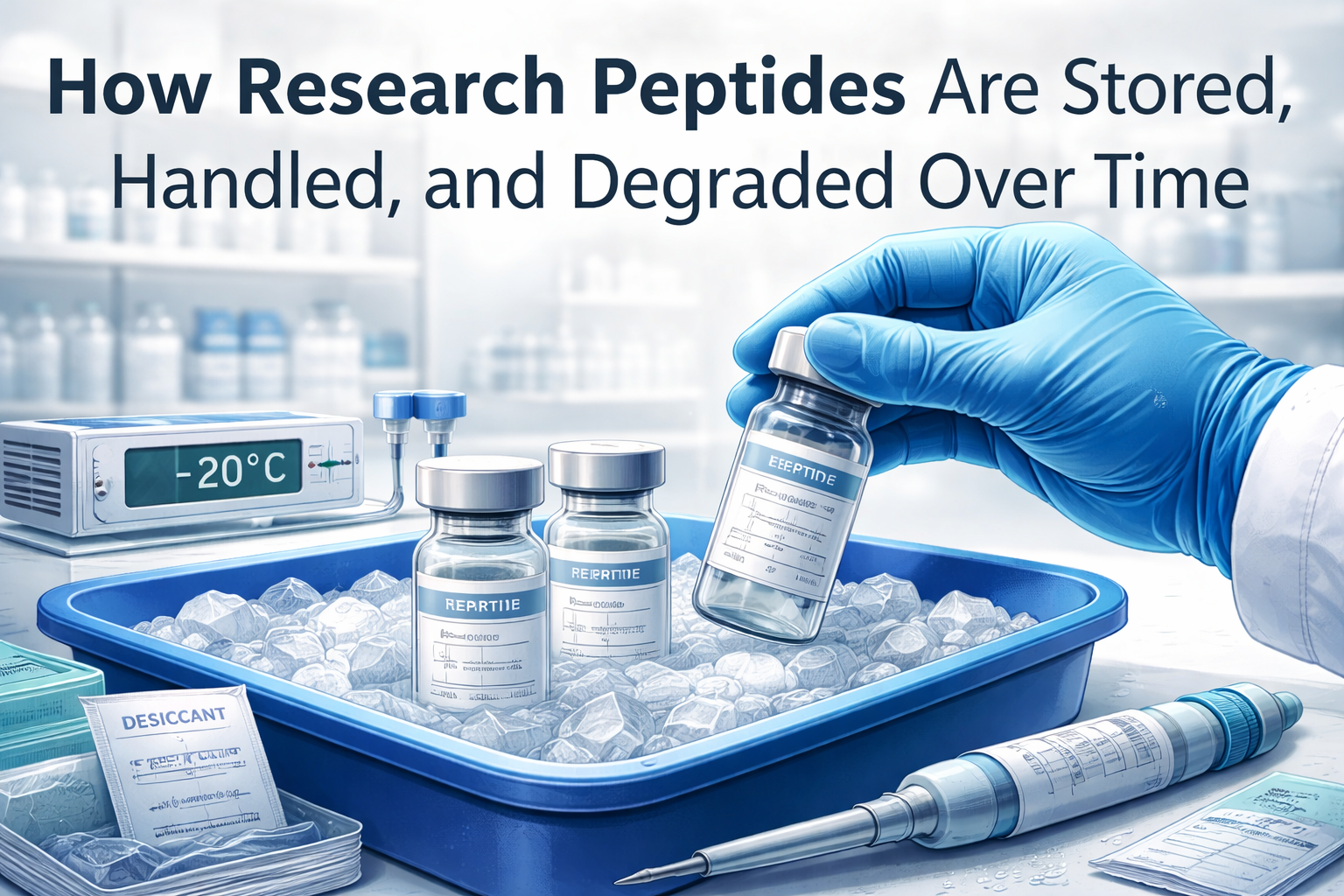
Reconstitution And The Shift From Powder To Service
Consider utilizing a fridge thermometer to verify real temperatures in your storage area. Built-in fridge displays might not accurately mirror conditions in all areas. A thermostat put with your peptides supplies exact tracking. Some peptides tolerate reconstituted refrigeration far better than others. Larger, extra steady peptides like semaglutide may last towards the longer end of the array. AOD-9604 Smaller sized or even more fragile peptides may need usage within 2 weeks.Some protocols call for 24 hours maximum at area temperature level. Ideally, you eliminate the vial from the refrigerator, withdraw your dose, and return it within minutes. Research Peptides Treat every minute at area temperature as destruction time, since that is precisely what it is. Every reconstituted peptide that you intend to use within the following 28 to thirty days need to stay in a refrigerator at 2 to 8 degrees Celsius. This temperature variety slows destruction drastically compared to space temperature while keeping the remedy in fluid form for very easy withdrawal. They sit on shelves for months, even years, with very little deterioration.
Moving from 25 ° C room temperature to 4 ° C refrigeration minimizes response prices by approximately four-fold. This principle, called the Arrhenius connection, explains why cooled peptides last so much longer than those stored at ambient problems. Lyophilized peptides can last 1-2 years in the refrigerator or a number of years when frozen, while reconstituted peptides usually stay stable for regarding 30 days in refrigeration.